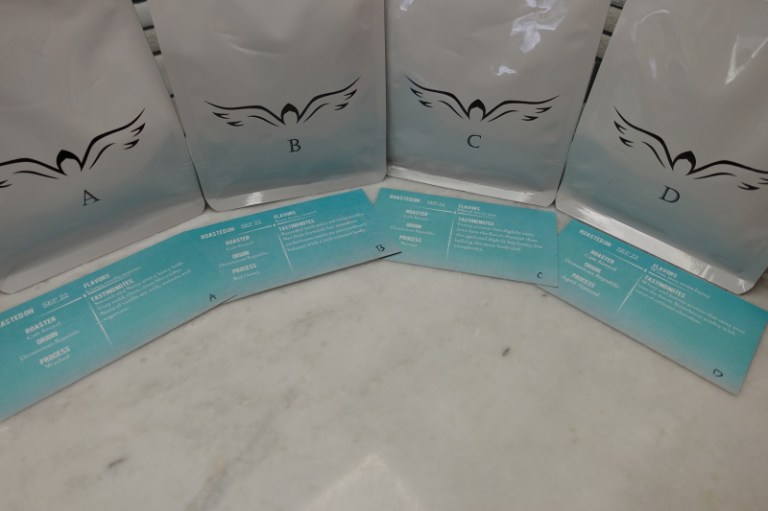
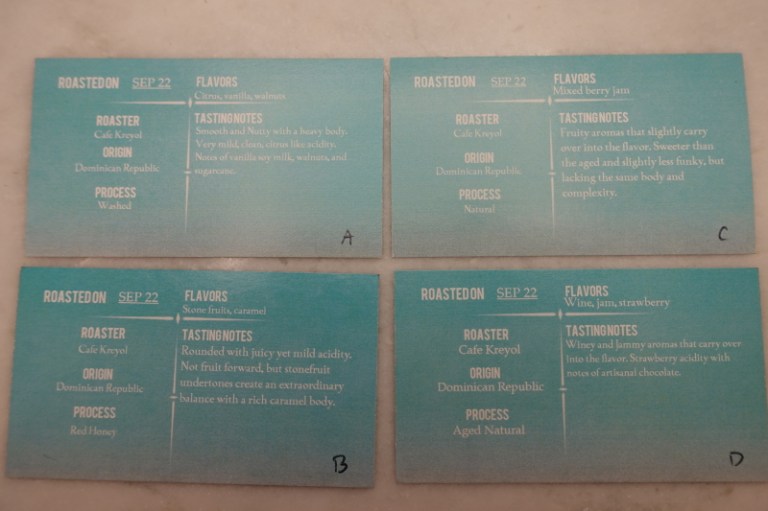
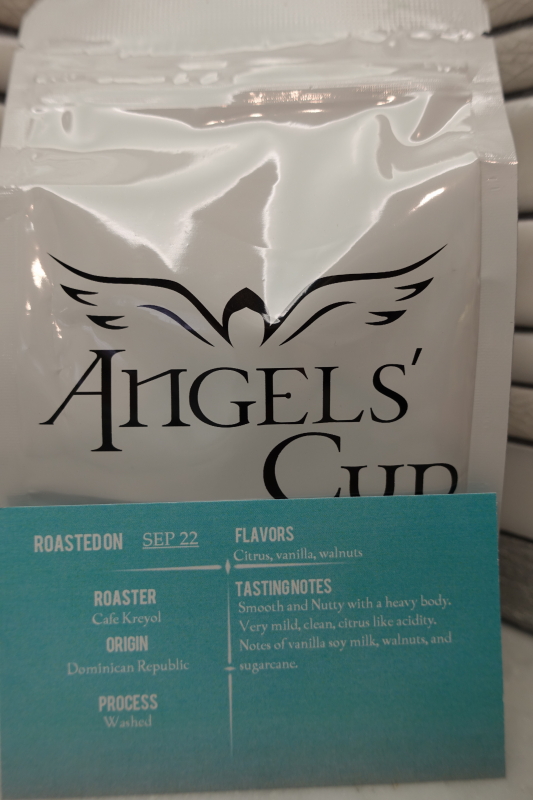
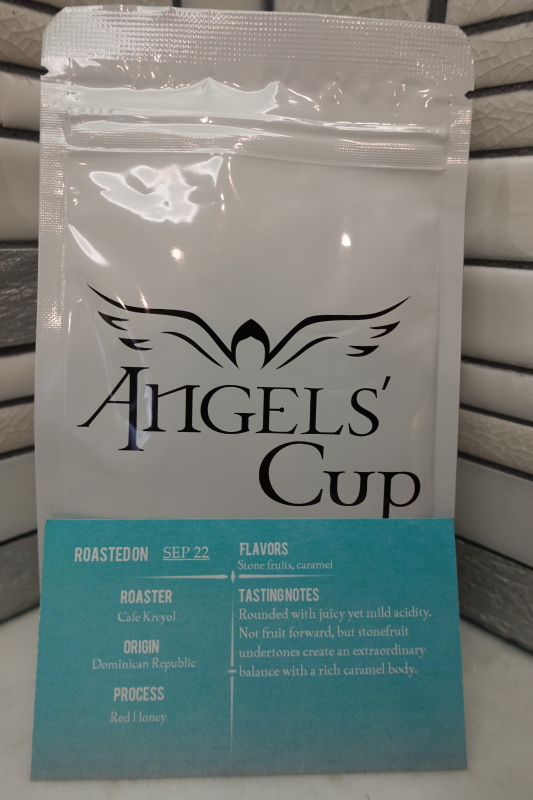
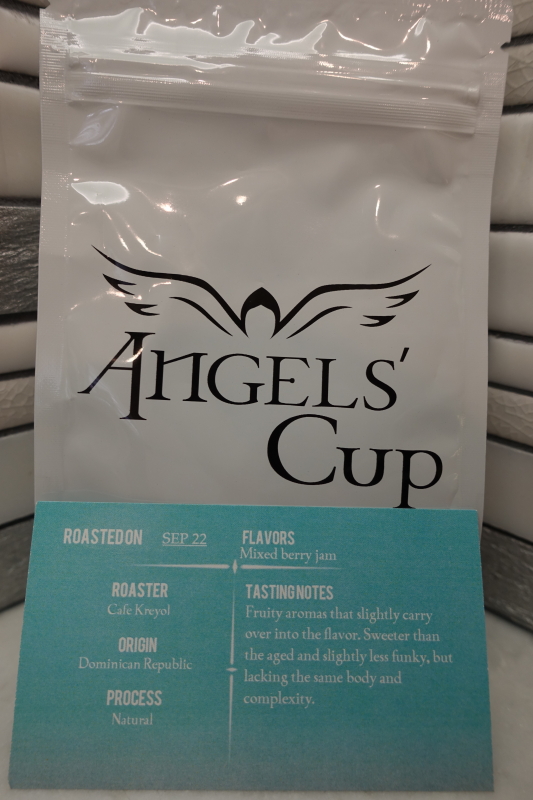
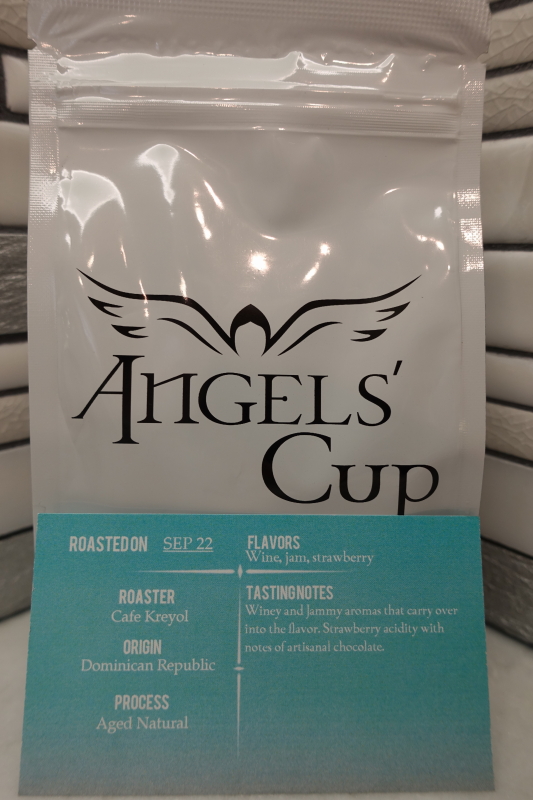
Angels Cup (one of my monthly coffee subscriptions) had a deal where a single roaster would investigate the different coffee processing methods and the subsequent flavor profiles from each method. Cafe Kreyol sent over four small bags of coffee beans that were processed differently: Washed (A), Red Honey (B), Natural (C), Aged Natural (D). I used the beans in order of A through D. After tasting the lattes from the bags, there are definitely flavor differences between the four different processing methods.
I really enjoyed the flavors in this order C > D> A> B. I tasted the most flavors from the Natural (C) processing where as Red Honey (B) was a totally subdued flavor profile. I initially enjoyed Washed (A) but after having Natural (C) and Aged Natural (D) and then going back to have Washed (A), the flavor strength of Washed didn’t compare to Natural/Aged Natural. I began to see why some of the coffee producing regions of Ethiopia mainly use Natural processing as there’s just so much flavor packed in each sip.
Category Archives: Coffee
Free Space Coffee
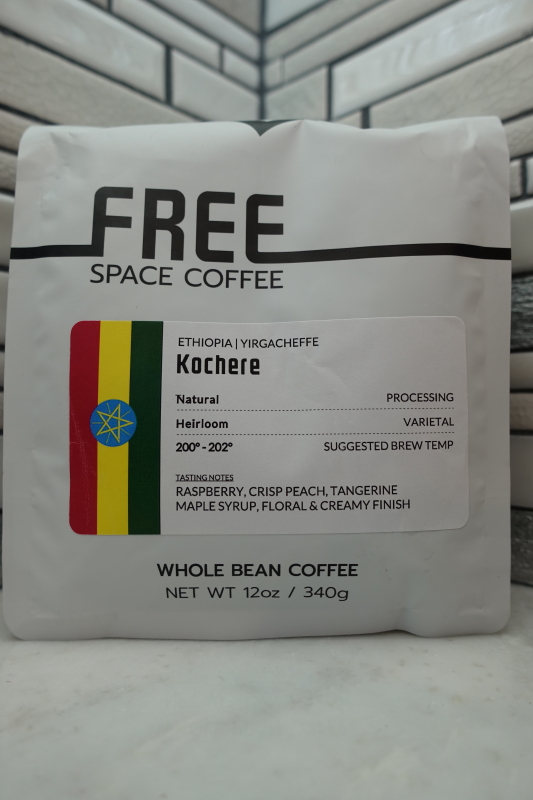
September’s Angels Cup was slightly delayed because of the delicious Kona Peaberry. I received these Free Space Coffee early September but didn’t open the bag until approximately two weeks ago. The beans are from the famous Yirgacheffe region in Ethiopia. The sweet berry flavor is wonderful contrast to the dark chocolate berry flavor of the Kona peaberry.

Honolulu Coffee: Artisan Kona Roaster
I recently received a bag of Kona coffee from Hawaii’s Honolulu Coffee. These beans are more special as they’re Kona peaberries. I’ve always enjoyed Kona beans. They have a unique ashen aroma that hides a subtle dark chocolate berry taste. Because of how special (and more expensive) peaberries are, the roaster will take greater care in roasting which means a much more delicious cup of coffee!

Broadsheet Coffee Roasters
August’s Trade Coffee (referral link) comes from Broadsheet Coffee Roasters. The beans come from the Guji region of Ethiopia close to the popular Yirgacheffe and Sidamo region (map). These beans have a pleasant chocolate/fruity aroma and have nice fruitier taste than the Portola roasted beans from Guatemala that I posted aobut last month.

Portola Coffee Roasters
One of the other roasters that led me down the path of coffee enlightenment was Portola Coffee Roasters. At the time, I was mainly a Starbucks drinker. To me, I thought the lattes from Starbucks were decently good… at least better than Peet’s and Coffee Bean. However, a good friend of mine introduced me to Portola Coffee on a trip down to Orance County. They roast their own coffee in addition to the normal cafe serving espresso drinks. I ordered a latte and the first sip was such an eye-opening experience. The flavors, the aftertaste and even just the aroma from the beans gave me such a “wow” feeling. Soon after, I began to experiement making my own latte’s in the morning and fell into the caffeinated spiral of no return.
Anyways, this past weekend… I was running out of MOMOS Coffee and opted to buy a bag from Portola while I was down in the OC area for a networking event. These beans do not disappoint. If you’re ever in the OC area, drop by the cafes and enjoy their espresso drinks.

MOMOS Coffee
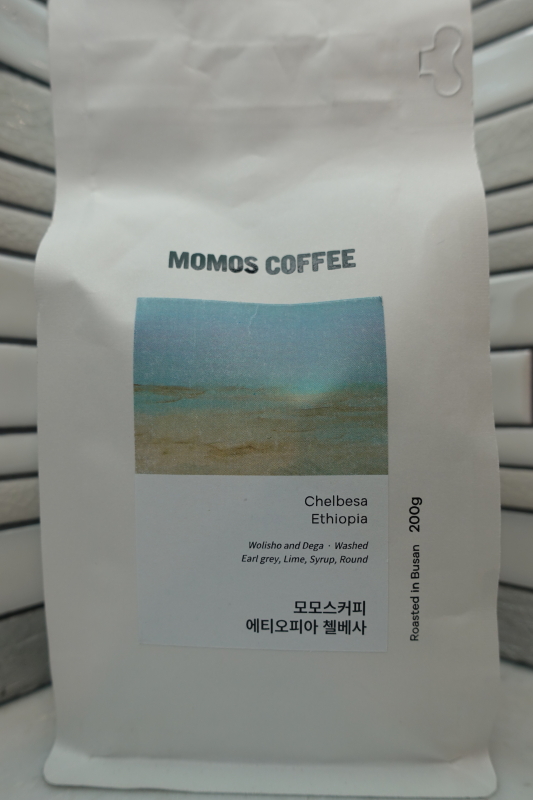
I stopped by a local coffee shop called Kumquat Coffee and Tea over the weekend. At this shop, there were quite few imported roasted beans from Korea. Since the most recent Angels Cup roaster shipped a less than the normal amount of beans, I thought it might be wise to stock up on at least one additional bag of beans. Since I’ve had the opportunity to taste roasted beans from Ethiopia, I ended up choosing one that I thought was close to the Yirgacheffe region where many of the roasters also bought their beans.

What I found out later is that that MOMOS Coffee is actually famous because one of their barista was the 2019 World Barista Champion (2nd link, 3rd link). Talk about luck of the draw… Anyhow, I made my latte and this instantly tastes similar to all the other lattes I’ve made with Ethiopian Yirgacheffe beans. Not only does it taste similar, it’s extremely fruity and floral. This is one of the more delicious lattes I’ve made in a while too.
Pirates of Coffee
August’s Angels Cup goes international with Pirates of Coffee who hail from Canada (says the Angels Cup communications… though I can’t really confirm that info on the Pirates of Coffee website). But nonetheless, coffee is coffee right? The beans come from another Tarrazu, Costa Rica. Reading the website description, I didn’t know there were eight coffee growing regions in Costa Rica with Tarrazu being the most popular.

Angels cup sent only a 6oz version of the beans. They were kind enough to reimburse half the monthly subscription (probably at a loss). Drinking my latte, I do get this nice chocolate flavor.
Kuma Coffee
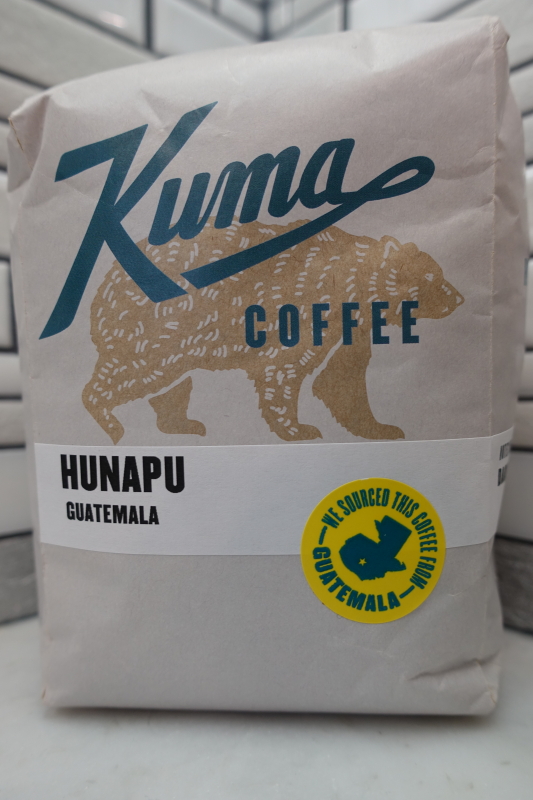
July’s Trade Coffee comes from Kuma Coffee. Kuma is the Japanese word for “bear” and it just sounds rugged and rough. These beans come from the Antiguan Highlands in Guatemala. Looking back at previous roasters, I haven’t had too many Guatemalan beans. From the website, the beans were picked by small local farmers combining the best beans from each farm.

I had a chance to not only make my latte but also did a cold brew and a pour over with these beans. The cold brew was probably one of the tastiest brews I’ve made that wasn’t a latte. It was bright and fruity with low acidity.
Dynamite Roasting Company
July’s Angels Cup comes from Dynamite Roasting Company. The beans are a light roast from Rwanda. This should make for an interesting experience since I’ve had beans from Rwanda before.

Opening the bag, I’m greeted with a lovely aroma of fruits and nuts. Making my latte, I was surprised by the sweetness of the latte. The sweet flavor morphs into this enjoyable fruit flavor. There’s this enjoyable floral aftertaste after each sip. What surprises me about these beans are that I don’t taste any nuttiness in the coffee that I usually get with nutty aromas.
On an unrelated note, I think I might stop posting what I taste/smell for future beans. Reading through the past 100+ bags of beans, they all sound very similar to each other. For those rare beans that are standout “I just can’t stop drinking it”, I may make a note of it.
Civil Coffee Roasters
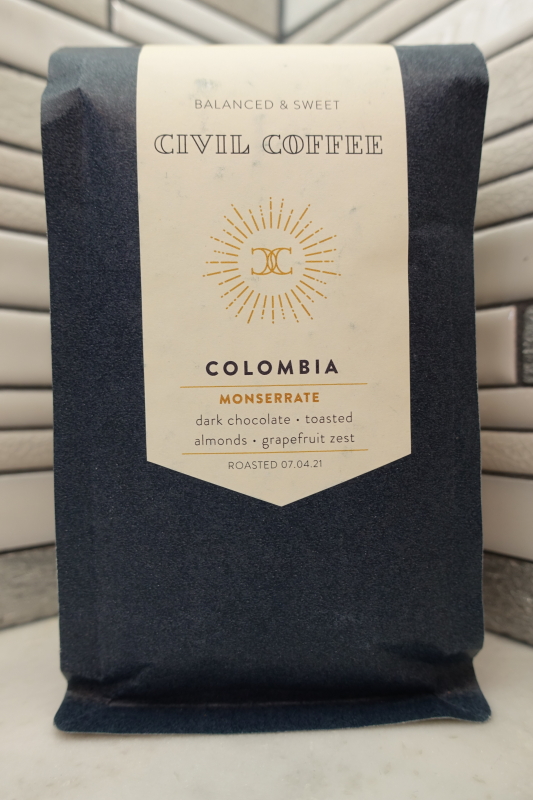
Earlier this month, I picked up a new roaster called Civil Coffee. I wanted something non-African and settled on these Columbian beans. Based on the description, these beans were the winner of a local competition in the Columbian mountain ranges.

Upon opening the bag, I smelled hints of nuts and fruits. Making my latte, I was surprised at the various flavors. I tasted citrus, nuts, a hint of honey and chocolate flavors with the first sip. As I neared the bottom of the cup, the flavors become more intensely dark chocolate. The sweetness from the latte carries through to the last sip.